A thermometer takes the guessing out of cooking meat. Color, firmness and cooking times all vary with the cut, the pan and the size of the piece; the internal temperature doesn’t. These are the safe minimum temperatures published by the USDA Food Safety and Inspection Service, measured in the thickest part of the food.
| Food | Safe minimum | Rest |
|---|---|---|
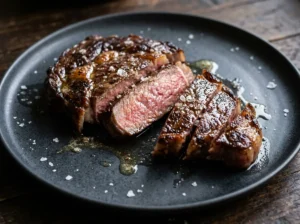
| Beef, pork, lamb and veal steaks, chops and roasts | 145°F (63°C) | 3 minutes |
| Ground beef, pork, lamb and veal | 160°F (71°C) | None |
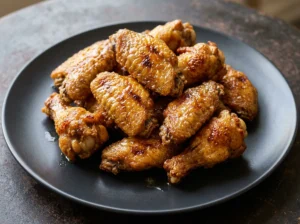
| Chicken and turkey, whole or pieces, and ground poultry | 165°F (74°C) | None |
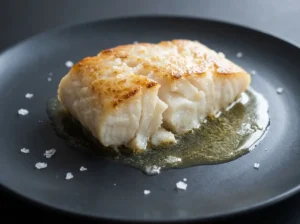
| Fish and shellfish | 145°F (63°C) | None |
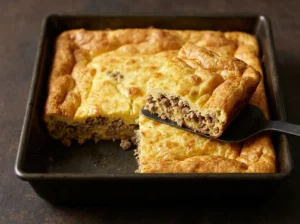
| Egg dishes | 160°F (71°C) | None |
| Leftovers and casseroles | 165°F (74°C) | None |
Why steak recipes often say less
Many steak recipes, including ours, mention pulling a steak at 125 to 130°F for medium-rare. That is a doneness preference, not the USDA’s safety guidance, which is 145°F with a 3-minute rest for whole cuts. Where our recipes give a lower number, they say so and give the USDA figure next to it, so you can decide.
Ground meat is different: grinding mixes the surface of the meat, where bacteria live, all the way through. That is why burgers and meatballs should reach 160°F.
How to take a temperature
- Push the probe into the thickest part, from the side for thin cuts, without touching bone or fat.
- Wait for the number to settle. Instant-read thermometers take 2 to 5 seconds.
- For roasts and whole birds, check more than one spot and go by the lowest reading.
- Wash the probe in hot, soapy water between raw and cooked checks.
Carryover cooking
Meat keeps cooking for a few minutes after it leaves the heat; a thick roast can rise 5 to 10°F while it rests. That’s why recipes tell you to take meat off a little early and let it rest before slicing.